


by Peter Barclay
In a world where food trends rise and fall, where grifters of health tout dubious solutions and everything changes at the speed of a TikTok swipe, it’s striking that one of the fastest‑growing movements online is not new at all. It’s ancient.
The Daniel Diet, often referred to as the Daniel Fast, is experiencing a resurgence, woven into a broader cultural moment in which people are searching for meaning, simplicity, and a sense of control amid an increasingly chaotic food landscape.
A New York Times article recently reported that biblical eating is finding new audiences across social media, wellness culture, and some celebrity circles.
For WFL readers, the Daniel Diet offers a fascinating intersection of plant‑based nutrition, cultural storytelling, and the timeless appeal of whole, unprocessed foods. But it also raises important questions about belief, evidence, and the role of food in shaping identity.
Old Testament inspiration
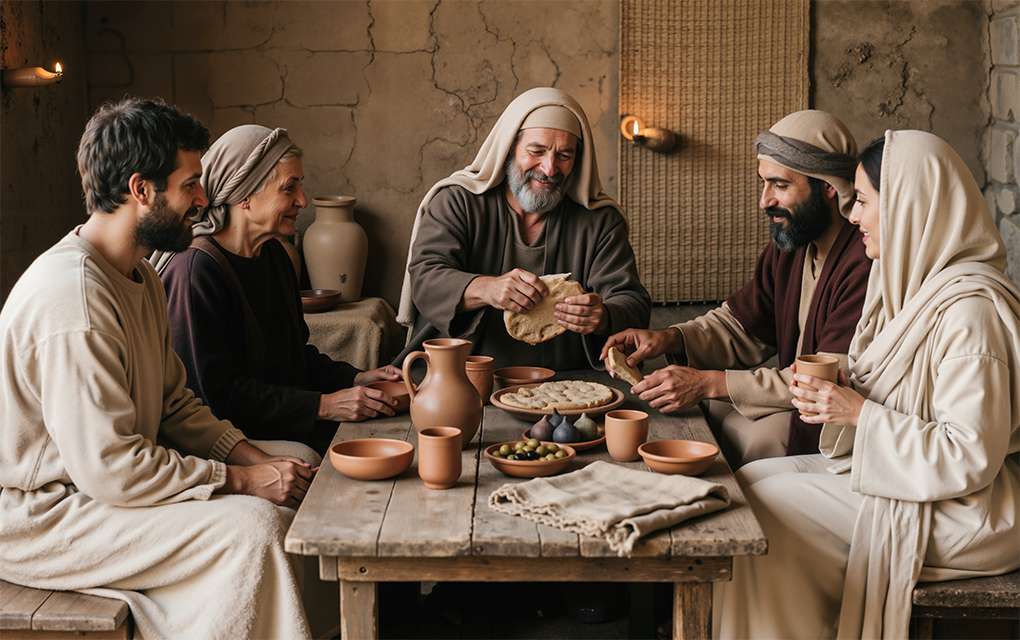
The Daniel Diet draws its inspiration from the Old Testament Book of Daniel, where the prophet refuses the king’s rich foods and instead consumes only vegetables and water for 21 days.
This practice has long been part of Christian tradition, and the Times article notes that “for years, some Christians have also participated in ‘Daniel fasts,’ 21‑day fasts… in which Daniel consumes only vegetables and water”.
In modern practice, the Daniel Diet typically includes:
- Vegetables, fruits, legumes, whole grains
- Water as the primary beverage
- Avoidance of animal products, sweeteners, refined foods, additives, and stimulants
It is not designed as a weight‑loss plan. Instead, it is framed as a spiritual discipline—an intentional return to simplicity, clarity, and devotion through food.
Yet its plant‑forward, minimally processed foundation aligns closely with many evidence‑based nutrition principles. As nutrition expert Marion Nestle notes in the article, those who eat “a wide variety of relatively unprocessed foods” are “probably doing just fine”.
Why its trending
The Daniel Diet’s resurgence doesn’t exist in a vacuum. It sits within a broader wave of “biblical eating,” a movement that blends faith, wellness, and a desire to reclaim agency in a food system that feels increasingly industrialised and opaque.
The article highlights several forces driving this trend:
1. The MAHA movement
The MAHA movement has amplified calls for unpasteurised dairy, stricter boundaries around ultraprocessed foods, and new definitions of what counts as “healthy”. Even those who don’t identify with MAHA often share its concerns about additives, dyes, and industrial processing.
2. Influencer culture
Creators like Kayla Bundy, who has over 500,000 TikTok followers, frame biblical eating as a path to healing, vitality, and spiritual alignment. Bundy’s diet includes raw milk, sardines, sourdough, and locally sourced ingredients—foods she believes reflect biblical principles.
3. Celebrity visibility
Chris Pratt’s public embrace of the Daniel Fast helped bring the practice into mainstream wellness culture, complete with humorous admissions about its bean‑heavy side effects.
4. A hunger for meaning
Nestle captures the cultural moment succinctly: “Diet is about belief… People are desperate for meaning in their lives”.
In a fragmented world, food becomes a way to anchor identity, values, and community.
The WFL lens
Whole Food Living has always championed a simple idea: when we return to whole, minimally processed foods, we nourish not just our bodies but our sense of connection—to ourselves, to each other, and to the world around us.
The Daniel Diet aligns with this philosophy in several meaningful ways.
1. It is inherently whole‑food based
Biblical eaters often emphasise scratch cooking, local sourcing, and avoiding artificial additives. Annalies Xaviera, one of the influencers featured in the article, describes her approach as “eating whole foods and cooking meals at home”.
This mirrors Whole Food Living’s long‑standing advocacy for reducing ultra processed foods and embracing real ingredients.
2. It is plant‑forward and fibre‑rich
The Daniel Fast’s reliance on vegetables, legumes, and whole grains aligns with the growing body of research supporting plant‑based diets for metabolic health, longevity, and gut function.
3. It encourages intentionality
Whether or not one shares the religious motivations, the practice of pausing before eating—sometimes even praying before deciding whether to eat a cookie, as Xaviera suggests —reflects a mindful approach to food that many people find grounding.
Two of WFL’s contributors, Diane Moura and Innes Hope, have previously discussed this practice but from different standpoints.
4. It pushes back against industrialised food systems
The movement’s concerns about dyes, additives, and processing echo Whole Food Living’s ongoing coverage of food-system transparency and the health impacts of ultra-processed foods.
5. A gap that Whole Food Living fills
As Emory University professor Jennifer Ayres observes, much of the biblical eating conversation online lacks “collective and environmental analysis of what’s happening in our food system”.
This is where Whole Food Living presents a ‘point of difference’ —connecting personal choices to broader systems, evidence, and context.
Where caution applies
While the Daniel Diet aligns with many whole‑food principles, the NYT article also highlights areas that warrant thoughtful consideration:
- Influencers often lack nutrition credentials, yet sell guides, coaching, and products to large audiences.
- Wellness culture can blur the line between personal experience and evidence, leading to claims that are anecdotal rather than scientific.
- Spiritual framing can add pressure, especially when food choices become tied to morality or obedience.
Whole Food Living’s core readership knows that food is powerful, but personally, I’d like to think the WFPB approach rejects any idea that it should be a source of shame, fear, or dogma. For us, as individuals, it’s an evidence-based choice.
Why Dan’s diet resonates
At its core, the Daniel Diet speaks to a longing for:
- simplicity
- clarity
- ritual
- connection and
- a sense of agency in a confusing food environment.
These are universal desires, unrestricted to a single belief system. They are the same desires that draw people to whole‑food, plant‑forward eating—whether they arrive through scripture, science, or simple curiosity.
The Daniel Diet offers followers of whole-food eating methods an opportunity to explore how ancient food traditions can inform modern health and how belief systems shape our eating patterns.
For Christians, of course, it shows how to celebrate the nourishing parts of biblical eating while grounding understanding in evidence with clarity and confidence.
In a world full of noise, the Daniel Diet reminds us that sometimes the most powerful choices are the simplest ones: vegetables, grains, pulses, water, and a moment of intention.
Whether approached as a spiritual practice or a nutritional reset, its core message is one Whole Food Living has championed for years—real food, prepared with care and eaten with purpose.