

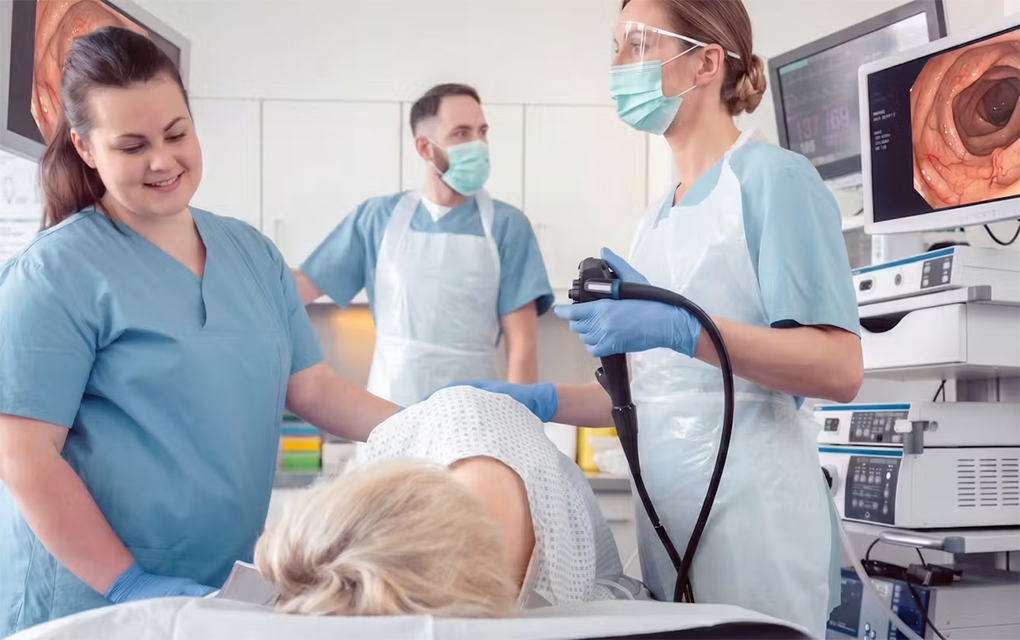

Colonoscopy and the removal of precancerous polyps have long been celebrated as one of medicine’s most powerful tools for preventing colorectal cancer. But a new study from Harvard T.H. Chan School of Public Health suggests the story doesn’t end when the polyp is gone. In fact, for many people, the gut may continue telling a very different story for years afterwards.
A recent LinkedIn post summarising the research highlights a striking finding: the gut microbiome may take more than a decade to recover after adenoma removal. This emerging evidence challenges long‑held assumptions about what “successful prevention” really means — and opens a new chapter in understanding colorectal cancer risk.
Removing adenomas during colonoscopy has long been considered one of the most effective ways to reduce colorectal cancer risk. Yet clinicians have observed a puzzling pattern: some patients still go on to develop colorectal cancer years later, even after early detection and removal of precancerous lesions.
The new study offers a compelling explanation. Researchers found that the gut’s microbial ecosystem remained significantly altered for an average of 12 years after polyp removal. These long‑lasting changes weren’t subtle — they closely resembled microbiome patterns observed in people with active colorectal cancer.
In other words, the gut environment may remain vulnerable long after the visible threat has been removed.
But why?
Experts commenting on the study point out that the colon’s microenvironment is shaped by many factors — diet, inflammation, metabolic health, and long‑term exposures — and is not easily reset simply by removing a polyp. As one gastroenterologist noted, the colon’s environment that allowed the neoplasm to arise “is not easy to change and takes time”.
This aligns with broader microbiome science: the gut is resilient, but not invincible. Major shifts — whether from disease, chronic inflammation, or long‑term dietary patterns can leave lasting fingerprints.
The study also highlights the powerful role of lifestyle. People with poor diets and sedentary habits showed more pronounced cancer‑associated changes in the microbiome, while healthier lifestyles were associated with more favourable microbial patterns.
This reinforces a core message: the gut is a living ecosystem, and lifestyle is one of its strongest architects.
A fiber‑rich, plant‑diverse diet, regular physical activity, maintaining a healthy weight, and ongoing surveillance colonoscopy may help support microbial resilience and reduce long‑term risk — a point echoed by experts responding to the study.
Association, not destiny
One scientist commenting on the post emphasised an important nuance: the study shows association, not proof of causation. The altered microbiome may contribute to future cancer risk, or it may simply reflect underlying processes that also drive cancer development. Either way, the practical takeaway remains clear: screening, lifestyle, and long‑term follow‑up all matter.
The study’s authors and commentators point toward a future where metagenomics, metabolomics, and AI‑driven microbiome analysis help clinicians personalise risk after polyp removal. This could mean:
- identifying patients whose microbiome shows slow recovery
- tailoring dietary or lifestyle interventions
- monitoring microbial markers alongside traditional screening
- developing targeted therapies to restore microbial balance
As one expert put it, this research is “an exciting step toward precision prevention in colorectal cancer”.
A lifestyle journey
For people who care deeply about lifestyle medicine, prevention, and the power of food — this study reinforces a message Whole Food Living consistently champions: Removing a polyp is a medical intervention. Healing the gut is a lifestyle journey.
The gut remembers. And the choices we make — what we eat, how we move, how we live — help shape how it recovers. There are some useful takeaways here:
- Polyp removal is essential, but it doesn’t fully reset the gut.
- Microbiome changes can persist for 12+ years, resembling patterns seen in colorectal cancer.
- Lifestyle matters: plant‑rich diets and physical activity support healthier microbial recovery.
- Long‑term follow‑up is crucial, even after a “successful” colonoscopy.
- Future prevention may be personalised, integrating microbiome science and AI.
Source study:
Nogal, A., Wang, K., Thompson, K. N., & Song, M. (2026). Long-lasting gut microbiome and fecal metabolome alterations after colorectal adenoma removal and their relationship to colorectal cancer. Cell Host & Microbe.