


by Peter Barclay
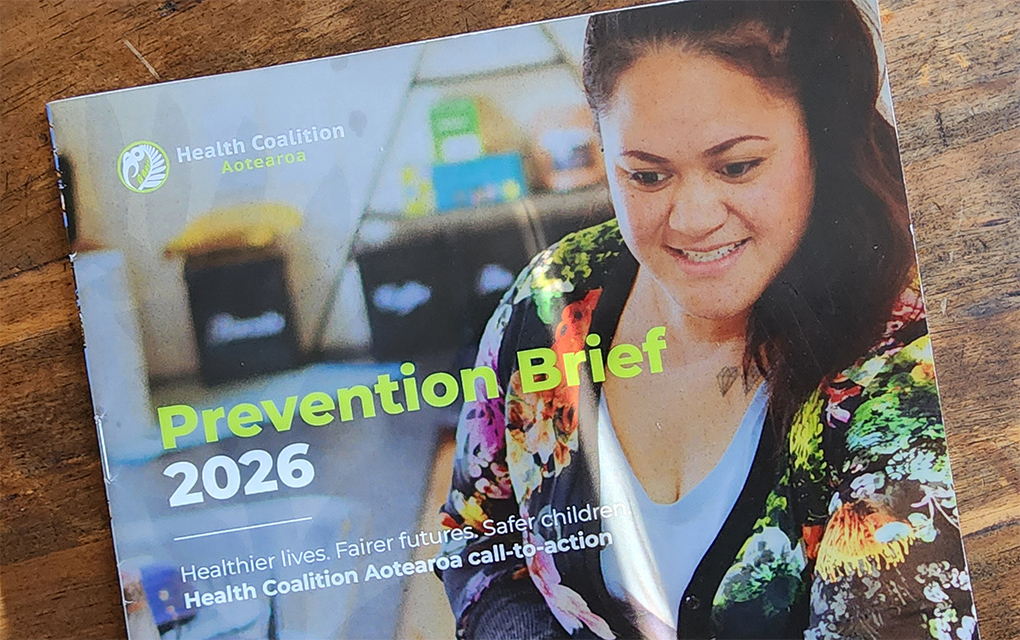
Health Coalition Aotearoa (HCA) Prevention Brief 2026 is a sweeping call to action urging political leaders to adopt evidence-based prevention policies to protect New Zealanders from the harms of tobacco, alcohol, and unhealthy food.
The Brief, published on July 20, lays out a comprehensive manifesto for shifting Aotearoa’s health system toward prevention and away from what HCA describes as “modern corruption”—the undue influence of powerful commercial interests on public policy.
For WFL’s New Zealand readers, it’s a significant moment. The Brief is not just another policy document; it’s a blueprint for a healthier, fairer, more transparent Aotearoa—one where food environments support wellbeing, children are protected from harmful marketing, and prevention is finally treated as the cornerstone of public health.
Stalled prevention policies
Three commercial products—tobacco, alcohol, and unhealthy food—account for one-quarter of all healthy years of life lost in New Zealand and drive deep inequities, including the six‑year gap in life expectancy between Māori and non‑Māori. HCA argues that despite strong evidence and public support, prevention policies have repeatedly stalled due to industry interference and weak regulatory frameworks.
The result? A health system under pressure, rising preventable disease, and growing mistrust in public institutions. The key prevention priorities outlined in the brief are:
1. Tobacco: Return to the endgame
HCA calls for reinstating world‑leading smokefree measures recently repealed, including:
- Licensing all nicotine retailers
- Reducing nicotine levels in tobacco and vape products
- Strengthening cessation support
- Codifying Article 5.3 of the WHO Framework Convention on Tobacco Control into NZ law to prevent industry interference
New Zealand’s global ranking for tobacco industry interference has plummeted from 2nd in 2023 to 53rd in 2025, a shift HCA directly links to policy U‑turns favouring industry interests.
2. Alcohol: Major legislative reform
Alcohol causes around 900 deaths each year, with Māori twice as likely as non‑Māori to die from alcohol‑related causes. HCA proposes:
- Embedding Te Tiriti o Waitangi into alcohol law
- Reducing trading hours
- Delaying online deliveries and mandating age checks
- Banning all alcohol marketing
- Raising the purchase age to 20
- Increasing alcohol excise tax by 50%, reducing consumption and funding prevention programmes
3. Food: Fix school lunches & protect children
Food security is worsening, with one in five children living in households where food sometimes or often runs out.
HCA highlights failures in the current school lunch programme—inedible meals, poor nutrition standards, and murky procurement processes and calls for:
- Permanent funding
- Redesigning menus to meet nutritional needs
- Expanding the programme to more low‑income schools
To tackle unhealthy food environments, HCA urges:
- Legislation restricting children’s exposure to unhealthy food marketing
- A UK‑style Sugary Drinks Industry Levy, with revenue funding free dental care
4. Countering “modern corruption”
New Zealand ranks last among 47 OECD countries for lobbying regulation. HCA proposes:
- A public register of lobbying meetings
- Mandatory codes of conduct
- Cooling‑off periods before ministers become lobbyists
- Strengthening the Official Information Act
- Establishing an Integrity Commission
These measures aim to restore trust and ensure public health, not private profit, drives policymaking.
Close alignment
The Prevention Brief aligns closely with Whole Food Living’s mission: empowering communities with evidence‑based information, advocating for healthier food environments, and championing equity in public health.
For me, the key features incorporated in the Brief are:
- Food policy is health policy. School lunches, sugary drink levies, and marketing restrictions directly shape children’s wellbeing and long‑term health outcomes.
- Prevention is cost‑effective. Strong prevention policies reduce pressure on hospitals, improve quality of life, and save public money.
- Democracy and health are intertwined. Transparent policymaking is essential to counter commercial influence and ensure public health remains the priority.
HCA urges all political parties to adopt the Brief’s recommendations, emphasising that prevention policies benefit every community across the country. They also encourage citizens to question candidates about their stance on tobacco, alcohol, food policy, and the need for lobbying reform in the lead‑up to the NZ General Elections in early November.