


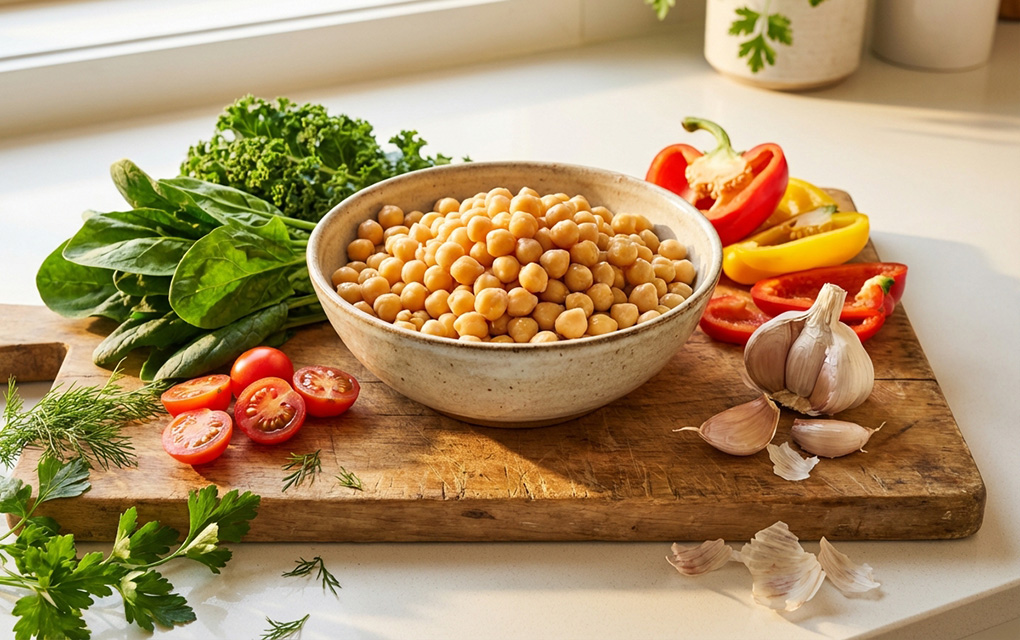

Chickpeas have become a quiet hero in Whole Food Living because they offer far more than plant‑based protein or a convenient way to bulk out a meal. They support the body on multiple levels at once—metabolic, digestive, cardiovascular, and even cellular—making them one of the most versatile and impactful foods you can keep in your kitchen.
Their benefits come from the way their fibres, polyphenols, minerals, and slow‑release carbohydrates interact with the body’s systems, creating a foundation for steady energy, gut resilience, and long‑term health.
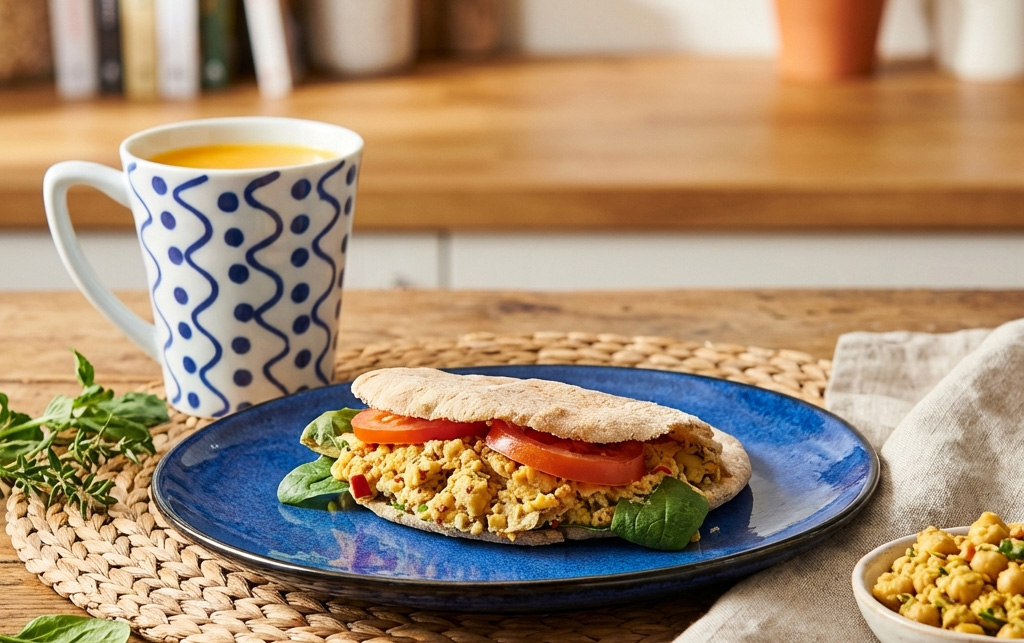
Chickpea and tahini sandwich spread
Elevate your meals with our Chickpea and Tahini Sandwich Spread, a delightful fusion of flavours and nutritious ingredients.
View recipe
A complex trio
Chickpeas deliver a balanced trio of complex carbohydrates, fibre, and plant protein. This combination slows digestion, helping maintain stable blood sugar and preventing the energy crashes that often follow refined or ultra‑processed foods. Their protein content supports satiety and muscle repair, while their complex carbohydrates provide a slow, sustained release of energy that aligns beautifully with a whole‑food approach to eating.
For people shifting toward more plant‑forward meals, chickpeas offer a dependable anchor that keeps meals satisfying without relying on processed meat substitutes.
Beyond macronutrients, chickpeas contain polyphenols—natural compounds that help protect cells from oxidative stress. Oxidative stress occurs when free radicals accumulate faster than the body can neutralise them, contributing to inflammation and cellular damage over time.
The polyphenols in chickpeas interact with gut microbes, forming metabolites that help regulate inflammation and support cellular repair. This is one reason legumes consistently appear in dietary patterns linked with longevity and reduced risk of chronic disease. When chickpeas are paired with colourful vegetables, herbs, and spices, the polyphenol diversity increases even further, creating a meal that supports cellular health from multiple angles.
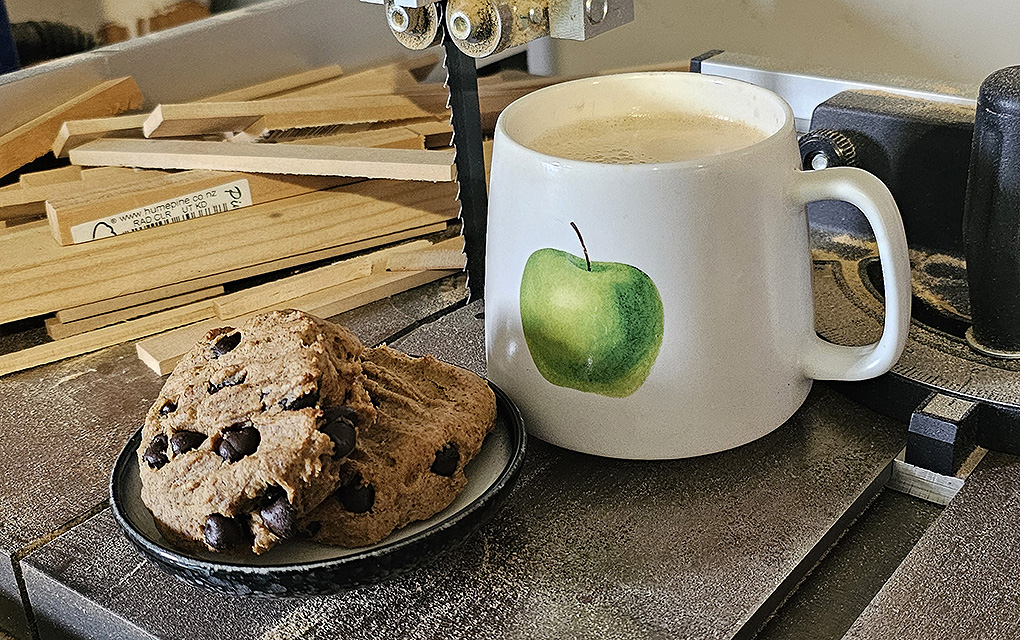
Chickpea Chocolate Chip Cookies
A delicious and nutritious twist on a classic cookie recipe. They are one of our favourites. Made with chickpeas and oat flour instead of traditional wheat flour, these cookies are packed with plant-based protein and fibre to satisfy you.
View recipe
Fibre fermentation
One of the most powerful benefits of chickpeas lies in their fermentable fibre. Chickpeas contain resistant starch and oligosaccharides—fibres that pass through the small intestine intact and become fuel for beneficial bacteria in the colon.
As these fibres ferment, they produce short‑chain fatty acids such as butyrate, acetate, and propionate. These compounds strengthen the gut lining, support immune regulation, and help reduce inflammation throughout the body. Butyrate, in particular, is known for nourishing colon cells and supporting a healthy gut barrier.
A strong gut barrier is essential for preventing unwanted substances from entering the bloodstream and triggering immune responses. By feeding the microbiome, chickpeas contribute to a more resilient digestive system and a more balanced immune response.
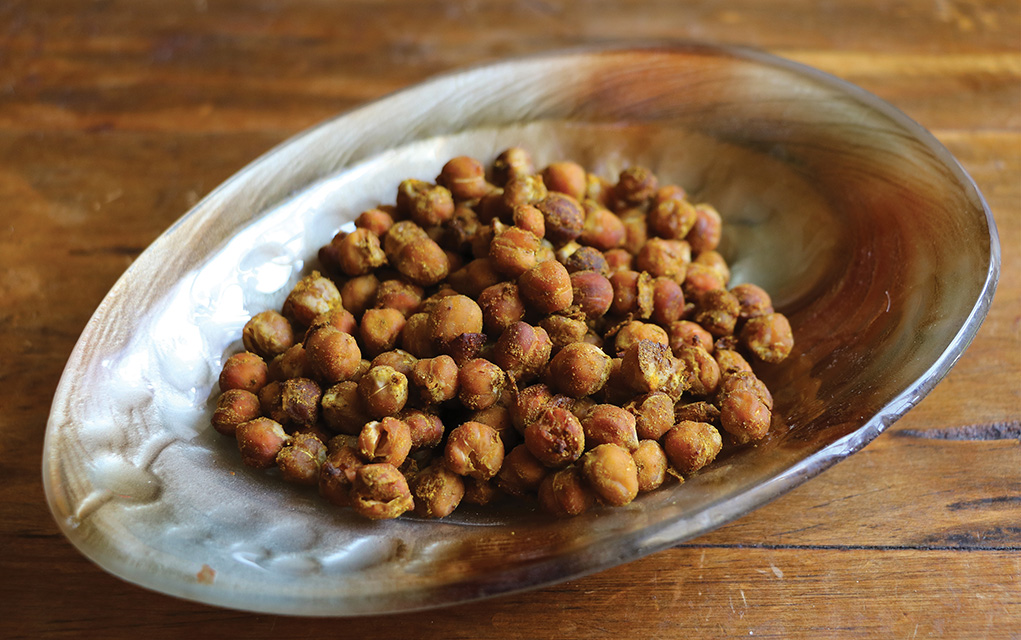
Crispy Turmeric Chickpeas
Offers a wide range of benefits thanks to its star ingredients. First and foremost, chickpeas, the base of this recipe, is packed with protein, fibre, & essential nutrients. They provide a feeling of satiety, helping to curb cravings and promote healthy weight management.
View recipe
Nitric oxide production
Chickpeas contain nutrients that help the body produce nitric oxide, a molecule that relaxes blood vessels and improves circulation. Arginine, magnesium, and folate all play roles in this pathway. When nitric oxide levels are supported through whole foods, blood vessels remain more flexible, blood pressure is easier to regulate, and the cardiovascular system experiences less strain.
Pairing chickpeas with leafy greens, citrus, or herbs can further enhance this effect, creating meals that naturally support vascular health without relying on supplements.

Socca Bread (Chickpea Flatbread)
A traditional, gluten-free flatbread originating from Nice in the south of France. Made primarily with chickpea flour, water, socca is incredibly easy to prepare.
View recipe
Long-lasting energy
The mitochondria—tiny structures inside cells responsible for producing energy—depend on a steady supply of nutrients to function efficiently. Chickpeas provide several of these key nutrients, including B‑vitamins and magnesium. These nutrients help regulate ATP production, the body’s primary energy currency.
When mitochondrial function is supported, energy levels feel more stable, mental clarity improves, and the body becomes more efficient at using fuel. Chickpeas also contain antioxidants that help reduce oxidative stress within mitochondria, allowing them to operate more smoothly.
This combination makes chickpeas a valuable ingredient for anyone seeking sustained, natural energy throughout the day.
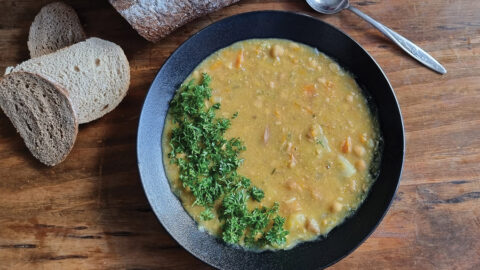
Chickpea Vegetable Chowder
A nourishing, plant-based take on the classic comfort food, loaded with whole food ingredients that promote health and wellness with every bite. It’s crafted to warm your body and support a healthy lifestyle while remaining delicious and satisfying.
View recipe
Epigenetic influences
One of the most fascinating aspects of whole foods is their ability to influence gene expression through epigenetic signalling. Chickpeas contain folate, choline, and polyphenols that support healthy methylation patterns—chemical tags that help regulate which genes are turned on or off.
While food cannot change DNA, it can influence how genes behave, particularly those related to inflammation, detoxification, and cellular repair. When chickpeas are part of a diverse whole‑food diet, they contribute to an internal environment that supports healthier gene expression over time.
Meals that combine chickpeas with turmeric, garlic, leafy greens, or berries create a powerful synergy of epigenetically active compounds.

Chickpea and Butter Bean Hummus
A wholesome and delicious spread that’s packed with flavour and loaded with nutrients. Made with simple, pantry-friendly ingredients, this hummus is not only easy to prepare but also offers several health benefits to support a balanced diet.
View recipe
A versatile foundation
Chickpeas fit seamlessly into a Whole Food Living lifestyle because they adapt to so many dishes. They can be blended into hummus, tossed into salads, shaped into patties, added to soups, or roasted for a crunchy snack. Their mild flavour allows them to absorb spices and herbs easily, making them a natural partner for global cuisines.
Whether you’re building a nourishing lunch bowl or preparing a simple weeknight dinner, chickpeas offer a nutrient‑dense, fibre‑rich base that supports both flavour and wellbeing.
Chickpeas aren’t just a pantry staple—they’re a deeply supportive whole food that nourishes the body from the inside out.