

A major new analysis published in BMJ Nutrition, Prevention & Health strengthens the case for putting legumes and soy at the centre of everyday eating — not just for heart health, but specifically for reducing the risk of high blood pressure. For WFL readers, the findings offer both clarity and practical targets in an area where evidence has often been mixed.
Researchers pooled data from 12 prospective studies across the USA, Asia, and Europe, involving between 1,152 and 88,475 participants each. Across these populations, higher daily intake of legumes and soy foods consistently correlated with a lower risk of developing hypertension.
Compared with low consumers:
- High legume intake was linked to a 16% lower risk of high blood pressure.
- High soy intake was linked to a 19% lower risk.
How much is “enough”?
One of the most useful contributions of this review is its dose–response analysis. The researchers found:
- Legumes: Benefits increased steadily up to around 170 g per day, delivering about a 30% reduction in risk.
- Soy foods: Most of the benefit occurred between 60–80 g per day, with risk reductions of 28–29% and no clear additional benefit beyond that range.
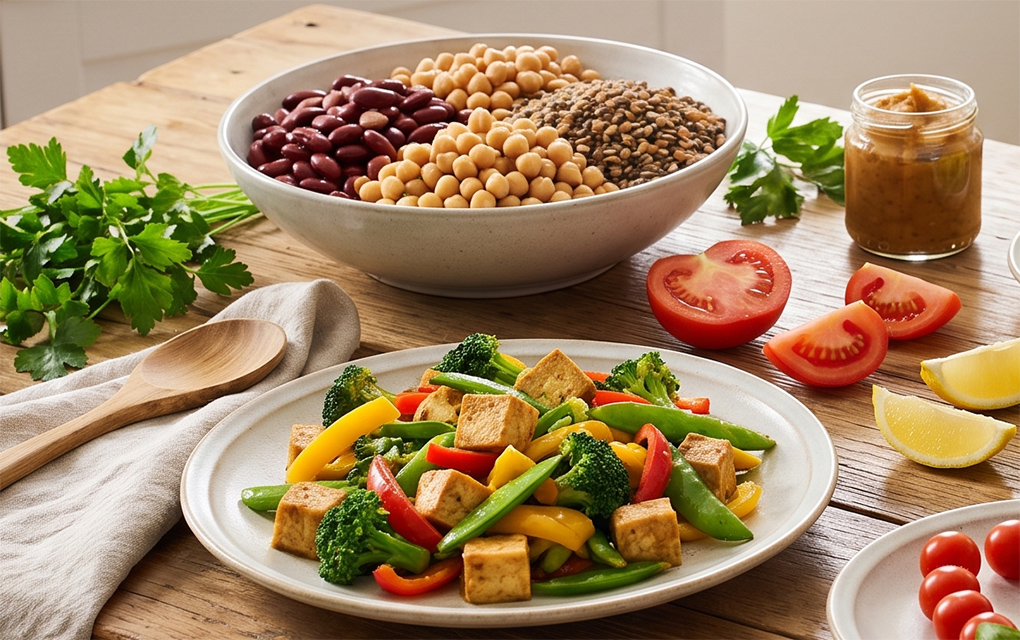
For context, 100 g is roughly one cup of cooked beans, lentils, chickpeas, peas, soybeans, or a palm-sized piece of tofu.
Why legumes and soy help
The study points to several mechanisms:
- They’re naturally rich in potassium, magnesium, and dietary fibre, all known to support healthy blood pressure.
- Fermentation of soluble fibre produces short-chain fatty acids that help blood vessels dilate.
- Soy’s isoflavones may also play a direct role in lowering blood pressure.
Using World Cancer Research Fund criteria, the authors conclude there is a probable causal relationship between higher legume/soy intake and reduced hypertension risk.
Public health opportunity
Despite the strength of the evidence, intake remains far below recommended levels in many regions. In Europe and the UK, average legume consumption sits at just 8–15 g per day, far short of the 65–100 g/day recommended for cardiovascular health.
The authors argue that increasing legume and soy intake could have “major public health implications” given rising global hypertension rates.
Professor Sumantra Ray of the NNEdPro Global Institute, commenting on the study, says the findings “significantly add to the case for using legumes and soy as primary dietary strategies to mitigate the global burden of hypertension,” highlighting the value of the dose–response analysis for shaping guidelines and clinical advice.
A familiar message
For those already leaning into plant-based eating, this research reinforces a familiar message: legumes and soy aren’t just protein alternatives — they’re powerful, evidence-backed tools for long-term cardiovascular health.
For households still building these foods into their routine, the targets are refreshingly achievable:
- 170 g/day of legumes (e.g., a cup of lentils in a soup, chickpeas in a salad, or a bean-based dinner).
- 60–80 g/day of soy foods (e.g., tofu, tempeh, soy milk, edamame, or miso).
These amounts can be spread across meals, folded into familiar dishes, or used to replace more processed or animal-based proteins.
This analysis brings welcome clarity: regular, meaningful intake of legumes and soy is strongly associated with a lower risk of high blood pressure, and practical daily targets are now better defined.
While more large-scale studies will help refine the picture, the evidence is already robust enough to support a simple, powerful message — make legumes and soy everyday staples.