

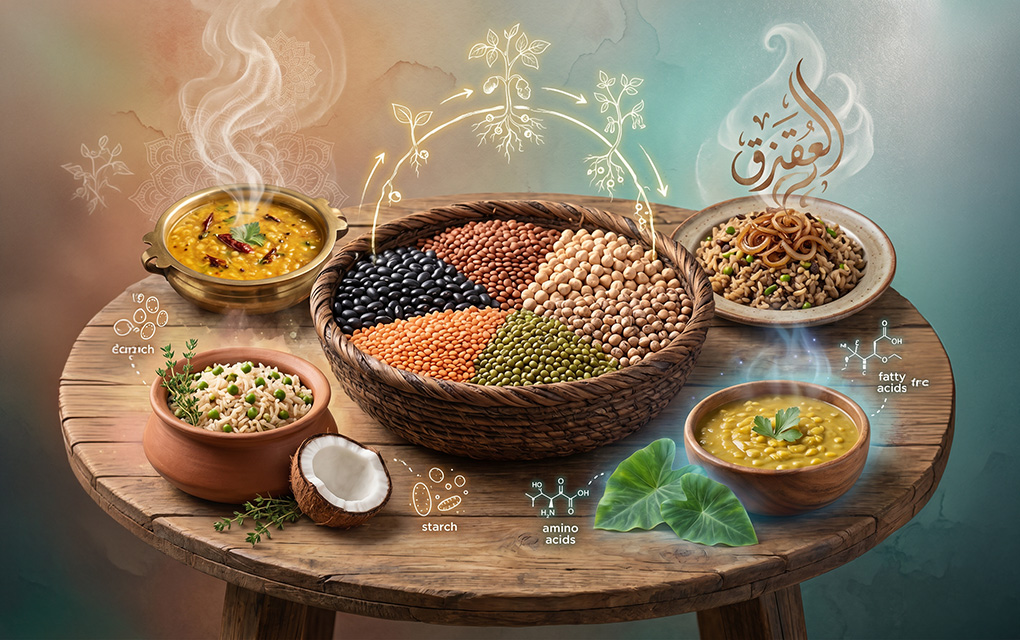

Beans, lentils, peas — ancient, affordable,
climate‑resilient and nutritionally unmatched.
Legumes are having a renaissance, but the truth is they never needed one. Long before wellness trends, protein powders, or supermarket “superfoods,” beans, lentils, and peas quietly nourished civilisations. They fed families through droughts, migrations, celebrations, and everyday meals. They anchored cultural identity, sustained communities, and offered reliable nutrition when little else was available.
Today, as the world grapples with rising food costs, chronic disease, and climate instability, legumes stand out as both ancient wisdom and future‑forward nutrition. They are the world’s most democratic health food — accessible, adaptable, and astonishingly good for the human body.
This is their story, and why they matter more than ever.

This is the eighth in our fortnightly Healthy Food Series. The series consists of 12 features exploring the science, culture and shared joy of natural eating … The previous article in this series covered ‘Alcohol‑Free gatherings‘ – Energising the body from within.
A nutritional powerhouse hiding in plain sight
If legumes came packaged like supplements, they’d be marketed as a miracle blend: complete amino acid balance, resistant starch, fibre, minerals, antioxidants, and a naturally low glycaemic load. But they don’t need hype — their science speaks for itself.
1. Resistant starch: The unsung hero of satiety and gut health
Legumes are among the richest natural sources of resistant starch, a type of carbohydrate that resists digestion in the small intestine and serves as food for beneficial gut bacteria. This fermentation produces short‑chain fatty acids like butyrate, which support colon health, reduce inflammation, and help regulate appetite.
Resistant starch also slows digestion, meaning:
- steadier blood sugar
- longer‑lasting fullness
- reduced cravings
- improved metabolic health
In a world where ultra‑processed foods dominate, legumes offer a metabolic anchor — a way to stabilise energy and nourish the microbiome without effort or expense.
2. Amino acid balance: The perfect partner to whole grains
Legumes are rich in lysine, an essential amino acid often limited in grains. When paired with rice, millet, corn, or wheat, they form a complete protein — a nutritional synergy discovered by cultures long before modern nutrition science.
Think of the classics:
- Rice and dal in India
- Hummus and pita in the Middle East
- Beans and corn in the Caribbean and Latin America
- Peas and taro across the Pacific
These combinations weren’t accidental. They were intuitive, delicious, and nutritionally brilliant.
3. Low glycaemic load: Slow, steady, sustaining
Legumes digest slowly thanks to their fibre, resistant starch, and natural structure. This gives them one of the lowest glycaemic loads among carbohydrate-rich foods. For people managing blood sugar, weight, or energy dips, legumes offer a reliable foundation.
They don’t spike. They don’t crash. They simply nourish.
4. Affordability: Nutrition without barriers
A kilo of dried beans or lentils costs less than a single café lunch — yet provides:
- protein
- iron
- folate
- potassium
- magnesium
- fibre
- antioxidants
In many countries, legumes are the most cost‑effective source of protein per gram. They democratise nutrition, ensuring that health isn’t reserved for those who can afford supplements or speciality foods.
5. Climate resilience: Food security for a warming world
Legumes enrich the soil by fixing nitrogen, reducing the need for synthetic fertilisers. They require less water than animal agriculture and many grain crops. They grow in harsh conditions — drought, heat, poor soil — making them a cornerstone of climate‑resilient farming.
In a future defined by environmental uncertainty, legumes are one of the few foods that can reliably feed the world.
Legumes as cultural heritage
India, the Caribbean, the Middle East, the Pacific — four regions, one shared wisdom.
Legumes aren’t just nutritious. They’re cultural. They carry stories, rituals, and identity. Across continents, they’ve shaped cuisines, economies, and family traditions.
India: The spiritual and culinary heart of legumes
India is arguably the global capital of legume cuisine. For thousands of years, lentils, chickpeas, mung beans, and pigeon peas have been woven into daily life.
- Dal is not just a dish — it’s a cultural constant.
- Chana masala, idli, sambar, khichdi, moong dal halwa — legumes appear at breakfast, lunch, dinner, and celebration.
- Ayurveda praises legumes for grounding energy and supporting digestion.
In India, legumes are nourishment, ritual, and identity all at once.
The Caribbean: Beans as survival, celebration, and soul
Across the Caribbean, legumes tell a story of resilience and creativity. African, Indigenous, and European food traditions merged to create dishes that are now cultural icons.
- Rice and peas (often made with kidney beans or pigeon peas)
- Stewed peas with coconut milk
- Split pea soups infused with thyme and Scotch bonnet
Legumes were affordable, filling, and adaptable — essential for communities navigating hardship. Today, they remain symbols of comfort and cultural pride.
The Middle East: Chickpeas, lentils, and the art of simplicity
Few regions celebrate legumes with as much elegance as the Middle East.
- Hummus, falafel, mujaddara, lentil soups, ful medames
- Meals built on chickpeas, fava beans, and lentils
- Flavours layered with tahini, lemon, garlic, cumin, and olive oil
These dishes are ancient, humble, and deeply nourishing — proof that simple ingredients can create extraordinary food.
The Pacific: Peas, beans, and the wisdom of resourcefulness
Across the Pacific — from Fiji to Samoa to Aotearoa — legumes have long been part of everyday meals.
- Split peas in soups and stews
- Mung beans in curries and fritters
- Local pulses paired with taro, cassava, or rice
In many island communities, legumes were essential during cyclones, droughts, and long sea voyages. They were reliable, storable, and sustaining — a quiet backbone of Pacific food culture.
Ancient wisdom, future food
Legumes sit at the intersection of everything Whole Food Living stands for:
- nutrient density
- affordability
- sustainability
- cultural connection
- science‑backed health benefits
They are as relevant to modern health as they were to ancient civilisations.
Why legumes are the future of food
- They support metabolic health in a world battling diabetes and obesity.
- They nourish the gut microbiome, now recognised as central to immunity and mood.
- They reduce food costs, making healthy eating accessible.
- They strengthen food security in a changing climate.
- They honour cultural heritage while fitting seamlessly into contemporary cooking.
Legumes are not a trend. They are a solution — one of the most powerful, practical, and proven tools we have for personal and planetary wellbeing.
A democratic food for a shared future
Beans, lentils, and peas don’t discriminate. They don’t require wealth, land, or privilege. They grow in poor soil, feed millions, and adapt to any cuisine. They nourish the body, the land, and the cultural memory of communities across the globe.
In a world searching for sustainable, equitable, health‑promoting foods, legumes stand tall — humble, ancient, and brilliantly future‑ready. They belong on every table.