


by Peter Barclay
For years, healthcare systems have treated diet-related diseases primarily with medications and clinical interventions. A growing movement called “Food Is Medicine” (FiM) is asking a different question: What if healthy food became part of the treatment itself?
Poor diet is one of the leading drivers of chronic diseases such as heart disease, type 2 diabetes, and some cancers. Yet nutrition remains surprisingly underrepresented in healthcare systems around the world. While doctors routinely monitor blood pressure, cholesterol, and blood sugar, dietary quality is rarely measured as a standard part of patient care.
Across the Western Pacific region, researchers found that diet quality remains far below levels associated with optimal protection against non-communicable diseases. At the same time, rising consumption of ultra-processed foods, increasing food insecurity, and soaring food prices are making it more difficult for many families to maintain healthy eating habits.
The result is a growing burden of preventable illness, higher healthcare costs, and widening health inequities.
An emerging approach
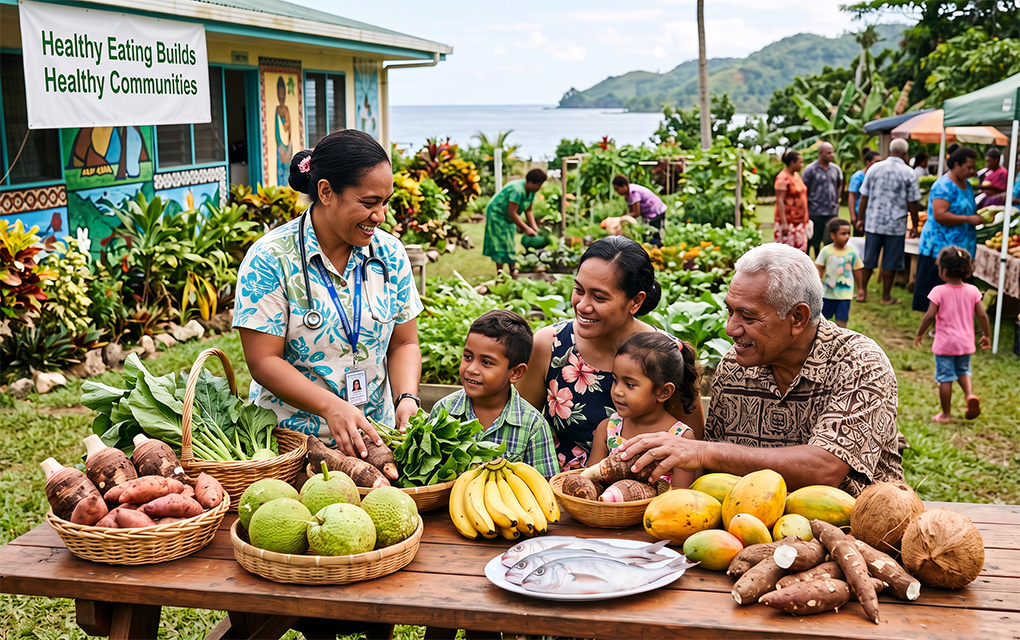
Food Is Medicine (FIM) is an emerging healthcare approach that integrates healthy food directly into healthcare delivery and financing systems. Rather than simply advising patients to eat better, these programs provide or subsidise nutritious foods as part of disease prevention and treatment.
The core idea is simple: if unhealthy diets contribute to disease, then access to healthy food should be considered a healthcare intervention.
Researchers describe several common elements of successful Food Is Medicine programs:
- Identification of patients at elevated health risk, often including those experiencing food insecurity.
- Provision of free or subsidised healthy foods.
- Nutrition education and support from dietitians or nutrition professionals.
- Ongoing monitoring and evaluation.
- Collaboration among healthcare providers, community organisations, governments, and food-system partners.
FiM categories
Food Is Medicine programs generally fall into three categories:
1. Produce Prescriptions
Patients receive vouchers, grocery credits, or discounts specifically for fruits and vegetables. These can often be redeemed at supermarkets or farmers’ markets.
2. Medically Tailored Groceries
Participants receive carefully selected grocery packages that may include whole grains, legumes, vegetables, and other nutrient-dense foods tailored to their health needs.
3. Medically Tailored Meals
Prepared meals designed to meet specific medical requirements are delivered directly to patients, particularly those with complex health conditions or limited ability to cook.
Considering the evidence
Research from the United States and other countries suggests Food Is Medicine programs can improve food security, dietary quality, patient satisfaction, and selected clinical outcomes. Some studies have also reported reduced healthcare utilisation and lower healthcare costs.
Importantly, these programs are not intended to replace traditional medical care. Instead, they complement existing treatments by addressing a root cause of many chronic diseases: poor nutrition.
Researchers emphasise that more high-quality studies are still needed, but the growing evidence base has attracted attention from governments, healthcare organisations, and philanthropic groups worldwide.
Focussing on the basics
One of the most compelling aspects of the Food Is Medicine movement is its focus on whole, minimally processed foods. Healthy dietary patterns associated with better long-term health broadly emphasise:
- Fruits and vegetables
- Legumes
- Whole grains
- Nuts and seeds
- Fish
- Plant oils
- Yoghurt and other minimally processed foods
At the same time, these patterns limit ultra-processed foods, sugary beverages, processed meats, excess salt, and added sugars.
In many ways, Food Is Medicine validates what whole-food advocates have long promoted: food choices are not merely matters of preference. They are powerful determinants of health.
Beyond personal health
The benefits of Food Is Medicine may extend beyond the individual patient.
Researchers highlight opportunities to strengthen local food economies by sourcing foods from regional farmers and producers. Some emerging programs are also exploring connections with regenerative agriculture and sustainable food systems, creating potential benefits for communities and the environment alongside improved health outcomes.
This broader vision positions food not only as medicine for individuals, but also as a vehicle for healthier communities and more resilient food systems.
The challenges ahead
Despite its promise, Food Is Medicine faces obstacles. Researchers identify several challenges, including:
- Limited healthcare funding and workforce capacity
- Difficulty integrating programs into existing healthcare systems
- Food supply chain vulnerabilities
- Limited regional evidence in some countries
- Ensuring cultural appropriateness and food preferences are respected
Successful implementation will require collaboration among healthcare providers, governments, farmers, researchers, and community organisations.
Focus on prevention
For too long, nutrition has been treated as a lifestyle issue rather than a healthcare priority. The Food Is Medicine movement challenges that assumption by placing healthy food at the centre of prevention and treatment.
Whether through produce prescriptions, medically tailored groceries, or meal-delivery programs, the concept reflects a growing recognition that what we eat profoundly shapes our health. As evidence continues to emerge, healthy food may become as fundamental to healthcare as medications, screenings, and physician visits.
For whole-food living advocates, that’s an idea worth nourishing.