


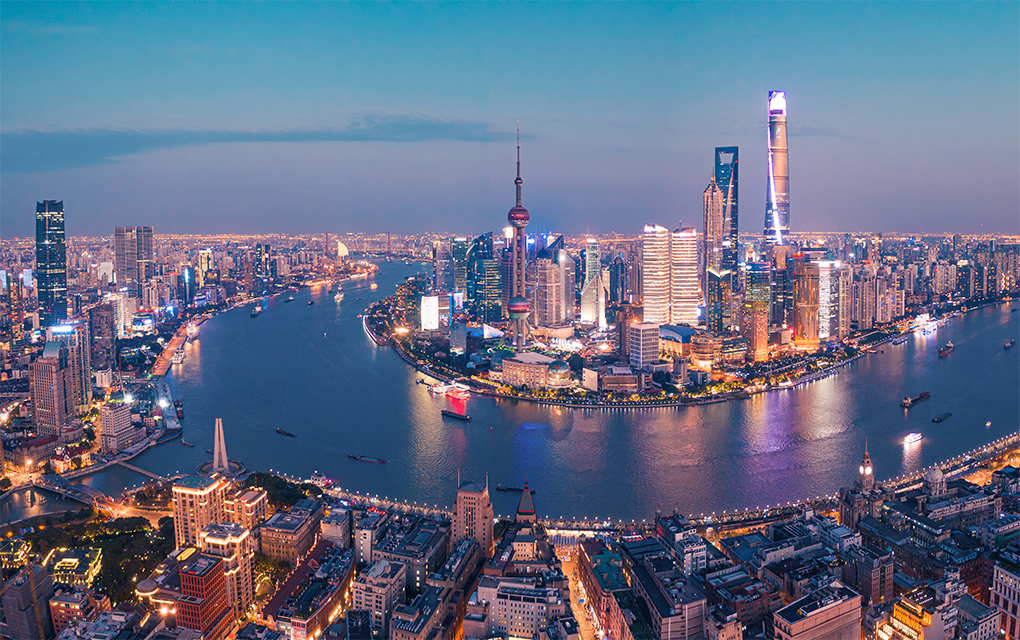

In the bustling heart of Shanghai, a city of more than 25 million people, the threat of water is never far away. New research published in One Earth has revealed that by the end of this century, floods in Shanghai could expand by up to 80 per cent in size and become significantly deeper, driven by the combined forces of climate change, sea-level rise, and land subsidence.
While the study focuses on Shanghai, its implications ripple far beyond China’s borders, offering a stark warning to coastal cities worldwide.
Shanghai sits on the Yangtze River Delta, one of the most vulnerable landscapes on Earth. Here, the land is naturally subsiding, sinking slowly under its own weight and human activity. Add to this the rising seas caused by global warming and the increasing intensity of typhoons, and the recipe for disaster becomes clear.
The study, led by researchers from the University of East Anglia, Shanghai Normal University, and the University of Southampton, used advanced atmosphere-ocean-coast models to simulate how historic typhoon events might play out under future climate scenarios.
Their findings are sobering: extreme floods, such as those triggered by Typhoon Winnie in 1997, could become far larger and more destructive by 2100.
This is not just about water creeping higher on the shoreline. It’s about the convergence of multiple forces—storm surge, river flows, tides, waves, and rainfall—combining to overwhelm defences.
As Professor Robert Nicholls of the Tyndall Centre for Climate Change Research explains, “The likelihood and magnitude of floods are often underestimated as these combined floods are not considered. Further climate change and land subsidence—all deltas sink—is increasing the likelihood of flooding.”
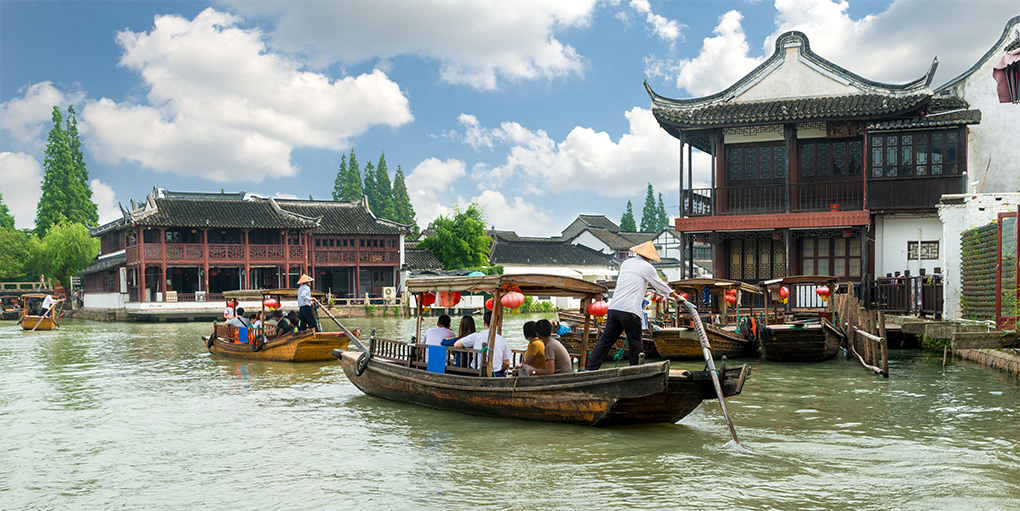
But Shanghai is not alone. Low-lying deltas host some of the fastest-growing cities in the world: Dhaka in Bangladesh, Ho Chi Minh City in Vietnam, New Orleans in the United States, and Alexandria in Egypt.
These urban centres are economic powerhouses, cultural hubs, and home to millions. Yet they share a common vulnerability: their geography makes them prone to catastrophic flooding.
The devastation of Hurricane Katrina in 2005 showed how defences can fail catastrophically when overwhelmed. The researchers warn of a similar risk in Shanghai, where reliance on a single line of defence could prove disastrous.
Instead, they advocate for “layered defence”—a combination of raised barriers, mobile flood gates, natural buffers like wetlands, and resilient urban planning.
This concept is not new. London’s Thames Barrier, Venice’s MOSE project, and the Netherlands’ Delta Works are examples of engineering marvels designed to hold back the sea. But as water levels rise and storms intensify, even these systems face mounting pressure. The Shanghai study underscores the need for global cities to rethink their strategies, not just to build higher walls but to prepare for the possibility of failure.
The implications of this research extend far beyond Shanghai. According to the Intergovernmental Panel on Climate Change (IPCC), sea levels could rise by more than a metre by 2100 if emissions continue unchecked. Combined with subsidence, this could render parts of major cities uninhabitable.
Consider Jakarta, Indonesia, where subsidence is so severe that the government is planning to relocate its capital. Or Miami, where “sunny day flooding” already occurs due to high tides. In Bangladesh, millions live in the Ganges-Brahmaputra Delta, where rising seas threaten food security and livelihoods.
The Shanghai study provides a model for understanding these risks. By simulating multiple flood drivers together, researchers can better anticipate the scale of future disasters. This holistic approach is critical, as floods are rarely caused by a single factor. It is the combination—a swollen river meeting a storm surge during high tide—that produces the most devastating outcomes.
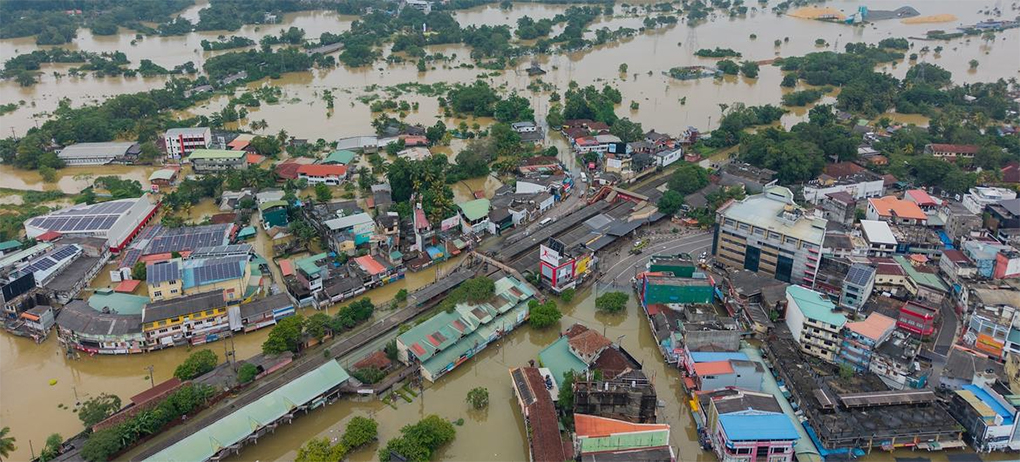
As Southern Asia’s current devastation illustrates, flooding is not just an infrastructure problem. It is a human health and food security crisis. Coastal floods contaminate freshwater supplies, destroy crops, and disrupt food distribution networks. In delta regions, where agriculture is often the backbone of local economies, the impacts can be catastrophic.
For example, saltwater intrusion from storm surges can render farmland unusable, threatening staple crops like rice. In Bangladesh and Vietnam, farmers are already grappling with this reality. In Shanghai, flooding could disrupt one of the world’s busiest ports, sending shockwaves through global supply chains.
From a lifestyle medicine perspective, the stress of climate-driven disasters also takes a toll on mental health and community wellbeing. Displacement, loss of livelihoods, and uncertainty about the future contribute to rising rates of anxiety and depression. Addressing flood risk is therefore not only about engineering solutions but also about fostering resilience in communities.
The authors of the study are clear: adaptation is essential. Raising defences will be part of the solution, but it cannot be the only strategy. Cities must embrace layered defences, integrate natural systems like mangroves and wetlands, and plan for managed retreat where necessary.
Equally important is the recognition of the “polder effect”—when defences fail, the resulting floods can be deeper and more destructive because water is trapped inside protected areas. This risk must be factored into planning, rather than ignored.
International collaboration will be key. The study itself was a joint effort between institutions in China, the UK, the US, and the Netherlands, reflecting the global nature of the challenge. Sharing knowledge, technology, and resources will be vital to protect vulnerable populations.
Editorial comment …
For Whole Food Living, the message here is simple: the health of our planet and the health of our communities are intertwined. Just as we advocate for fibre-forward diets and sustainable food systems, we must also champion resilience in the face of climate change. The choices we make today—about energy, infrastructure, and adaptation—will determine whether cities like Shanghai and countless others can thrive in the century ahead.