


by Peter Barclay
When China unveiled its Healthy China 2030 blueprint back in 2016, it signalled something rare in modern governance: a whole-of-nation commitment to health as the foundation of economic and social progress. President Xi Jinping framed health not as a sector, but as a prerequisite for national development and a shared responsibility across society.
For a publication like Whole Food Living, which champions prevention, lifestyle medicine, and evidence‑based public health, Healthy China 2030 offers a fascinating case study in what happens when a government elevates health to the centre of policy‑making.
Here we unpack the initiative’s core goals, its prevention‑first ethos, its approach to chronic disease, and the leadership behind it — and explore why its themes resonate so strongly with the WFL mission.
Long-term strategy
Healthy China 2030 is China’s first long‑term national health strategy since 1949. It spans 29 chapters and outlines a comprehensive plan covering:
- Public health services
- Environmental management
- Food and drug safety
- Health industry development
- Medical system reform
ISPOR
The blueprint is built on four core principles:
- Health Priority
- Reform and Innovation
- Scientific Development
- Justice and Equity
ISPOR
Primarily, its principles reflect a shift from treating illness to cultivating health — a philosophical pivot that aligns closely with Whole Food Living’s emphasis on lifestyle, prevention, and systems‑level thinking. The initiative’s central message is clear: everyone is responsible for health — individuals, families, communities, industries, and government. The plan aims to:
- Improve population health levels
- Control major risk factors
- Strengthen health service capacity
- Expand the health industry
- Build a more equitable health system
ISPOR
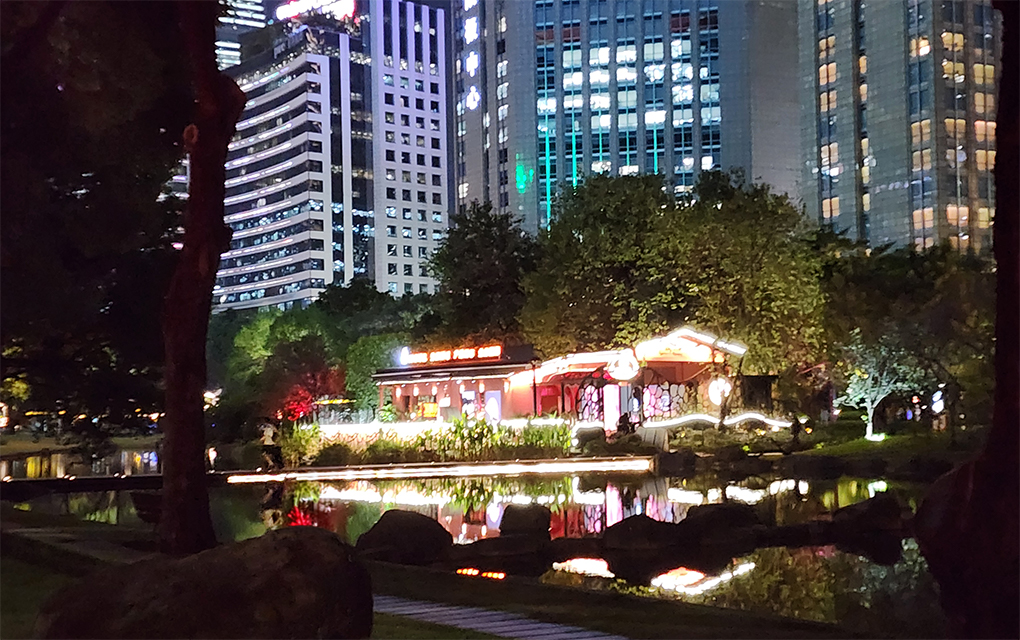
This “health in all policies” approach is not rhetorical. China’s leadership has explicitly integrated health into economic planning, environmental regulation, urban design, and education. At the 2016 National Health Conference — the most significant health meeting in two decades — President Xi stated that health is a precondition for economic and social development, and that failure to address health challenges could undermine national stability. WHO
This framing elevates health from a medical issue to a societal one — a perspective Whole Food Living has long championed.
A prevention-first focus
Fundamentally, Healthy China 2030 is a prevention‑driven strategy. It draws heavily on global health promotion frameworks, including the Ottawa Charter, which emphasises enabling people to take control of their health through supportive environments, literacy, and community engagement. WHO
The key prevention‑oriented components include:
1. Reducing Major Risk Factors
The plan targets tobacco use, alcohol consumption, physical inactivity, and environmental exposures — all major contributors to chronic disease. WHO
2. Promoting Healthy Lifestyles
China has launched campaigns encouraging:
- Increased physical activity
- Healthier diets
- Reduced salt, sugar, and oil consumption
- Improved mental health literacy
3. Building Healthy Cities and Healthy Villages
Pilot programs promote walkability, green spaces, community health services, and rural health initiatives.
4. Strengthening Health Literacy
The government aims to significantly raise national health literacy levels by 2030, recognising that informed citizens make healthier choices. WHO This prevention‑first orientation mirrors Whole Food Living’s core belief: the most powerful health interventions happen long before someone enters a hospital.
Chronic disease concern
China faces a rapidly ageing population and a steep rise in chronic diseases such as heart disease, diabetes, cancer, and respiratory illness. Healthy China 2030 directly addresses this challenge through:
1. Risk‑Factor Reduction
By targeting lifestyle behaviours and environmental exposures, the plan aims to curb the upstream drivers of chronic disease.
2. Strengthening Primary Care
The initiative emphasises improving basic medical and health services, expanding community‑based care, and enhancing early detection. ISPOR
3. Integrating Traditional and Modern Medicine
China continues to blend traditional Chinese medicine (TCM) with Western medical approaches, particularly in chronic disease management.
4. Environmental Health Improvements
Air and water quality improvements are explicitly tied to chronic disease prevention. ISPOR
5. Healthy Ageing Initiatives
China has launched programs focused on healthy ageing, recognising the demographic shift toward an older population.
For Whole Food Living readers, this holistic approach — addressing lifestyle, environment, and community — echoes the principles of lifestyle medicine and the growing global movement toward food‑as‑medicine.
Initiative leadership
The initiative is not led by a single named individual in the way Western public health campaigns often are. Instead, it is a state‑level strategy jointly overseen by the Central Party Committee and the State Council. WHO
President Xi Jinping is the political figure most closely associated with the initiative. He announced the blueprint and has repeatedly emphasised its strategic importance. ISPOR
Operationally, implementation involves multiple ministries, including:
- National Health Commission
- Ministry of Education
- Ministry of Ecology and Environment
- State Administration for Market Regulation
- Local governments across provinces
This multi‑agency structure reflects the initiative’s “health in all policies” philosophy.
Interestingly, several themes align with our editorial mission:
1. A Systems Approach to Health
Healthy China 2030 acknowledges that health is shaped by food systems, urban design, environmental quality, and social equity — not just medical care.
2. Lifestyle as the Foundation of Well‑Being
The initiative’s emphasis on diet, physical activity, and behavioural change mirrors the lifestyle‑medicine principles we champion.
3. Prevention Over Treatment
China’s pivot toward prevention reflects a global shift away from reactive, disease‑focused care.
4. Environmental Stewardship
By linking environmental health to human health, the plan echoes our coverage of climate, sustainability, and planetary well‑being.
5. Health Equity
The blueprint’s focus on justice and equity aligns with our belief that health is a human right, not a privilege.
A provocative question
Healthy China 2030 is more than a domestic policy. It signals China’s intention to participate in global health governance and contribute to the UN Sustainable Development Goals. WHO
For the rest of the world, it offers a provocative question:
What would it look like if every nation treated health as a strategic asset rather than a cost?
For Whole Food Living, the answer is clear: it would look a lot like the future we’ve been advocating — one where prevention, nutrition, environment, and community form the backbone of public health.
Healthy China 2030 is ambitious, sweeping, and deeply aligned with the principles of lifestyle medicine and prevention. Its focus on risk‑factor reduction, chronic disease prevention, environmental health, and health literacy positions it as one of the most comprehensive national health strategies in the world.
While China’s political system is unique, the underlying philosophy — that health is foundational to prosperity and must be cultivated across all sectors of society — is universal.