

by Katie Field
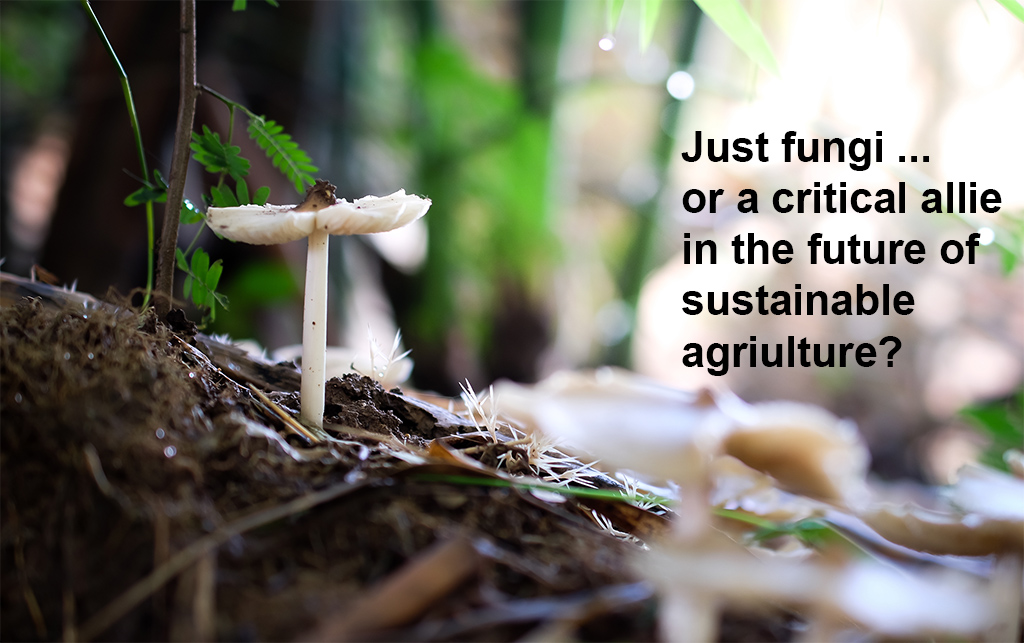
Beneath our feet lie some of the largest living organisms on Earth. Fungi are mostly invisible and largely overlooked, but they help sustain the ecosystems and food systems that we depend on every day.
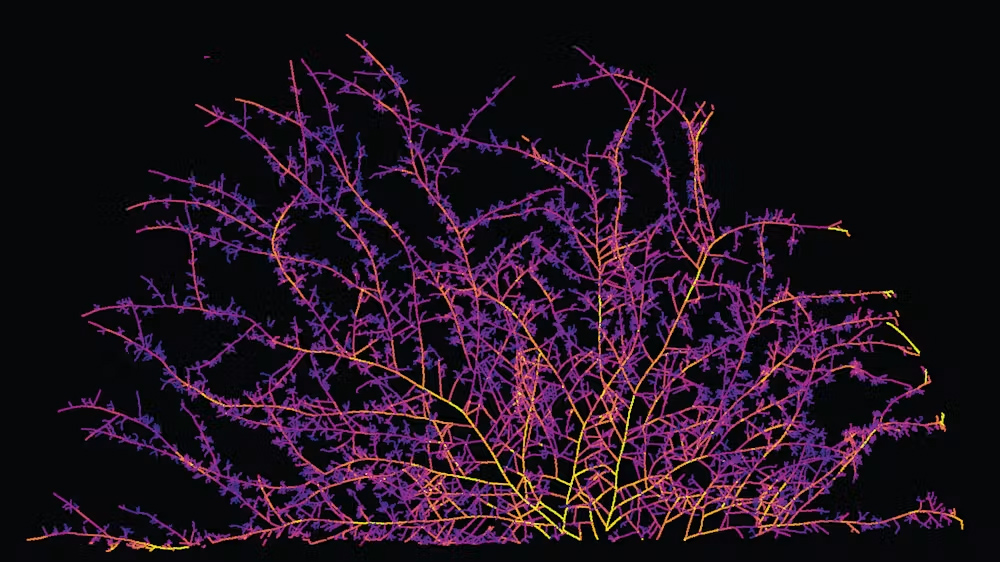
In a new global study, colleagues and I have mapped Earth’s vast underground networks of arbuscular mycorrhizal fungi. These fungi are invisible to the naked eye and form partnerships with the roots of most land plants. Their hyphae – fungal thread-like filaments – explore soil that roots cannot reach. This helps plants acquire water and nutrients in exchange for carbon fixed by the plants through photosynthesis.
These mycorrhizal relationships are ancient, dating back more than 450 million years, and were probably instrumental in helping plants colonise land.
This new research provides the first global estimate of the sheer scale of these underground fungal networks. We found that the world’s topsoils contain approximately 110 quadrillion kilometres of living fungal filaments. That is almost one billion times the distance between the Earth and the Sun.
Mycorrhizal fungi are also major players in the Earth’s carbon cycle. Each year, arbuscular mycorrhizal fungi channel an estimated 3.12 billion tonnes of CO₂ equivalent from plant photosynthesis into the soil and collectively contain around 300 megatonnes of carbon. Yet despite their enormous contribution to ecosystem functioning, they remain largely overlooked in global assessments of biodiversity, carbon storage and ecosystem health.
Mapping the system
This international effort was hugely ambitious. We collected data from hundreds of sites across continents, combining field observations, ecological datasets and modelling approaches to create the first global estimate of where arbuscular mycorrhizal fungal networks occur and how abundant they could be.
The findings highlight how grasslands are among the most important hotspots for underground fungal life. Prairies, steppes, savannas and wetlands collectively contain around 40% of the world’s arbuscular mycorrhizal fungi. Some of the densest concentrations have been found in places such as the Sudd wetlands of South Sudan, the Florida Everglades and the Tibetan Plateau.
This challenges the tendency to focus almost exclusively on trees and forests when discussing carbon storage and ecosystem conservation and restoration. Grasslands, aided by their extensive fungal partnerships, store much of their carbon below ground, making them less vulnerable to disturbances such as wildfire, drought and storm damage.
Allies for agriculture
The implications of the findings extend far beyond natural ecosystems. Arbuscular mycorrhizal fungi act as underground extensions of plant root systems. This makes them potentially critical allies for future sustainable agriculture.
However, our study found that intensively managed croplands contain nearly half the fungal density found in comparable natural ecosystems. Practices such as intensive tillage, excessive fertiliser use and fungicide application can disrupt or suppress these fungal networks.
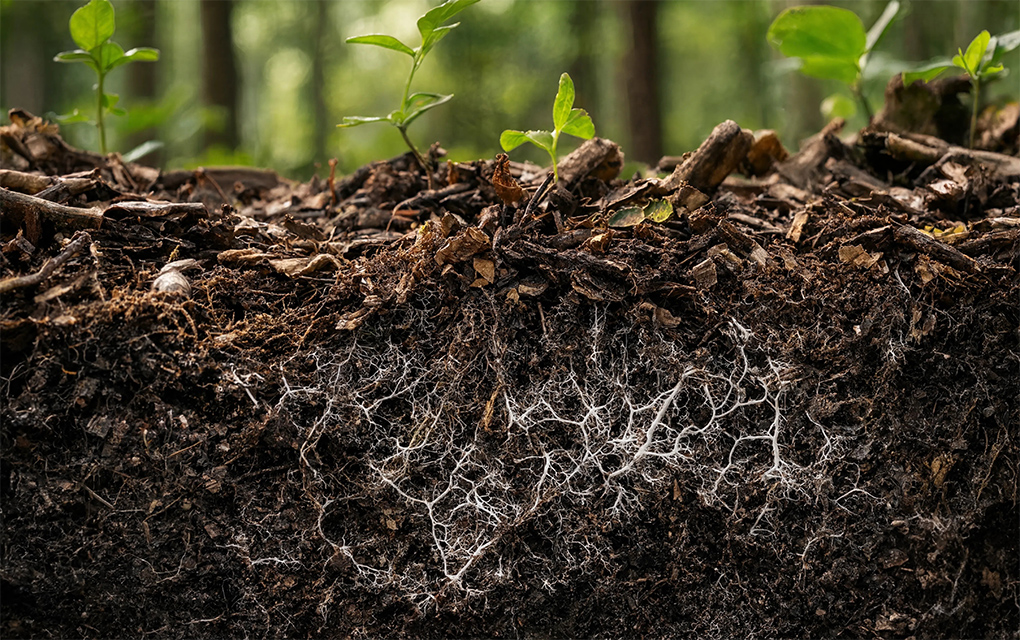
Coupled with previous work showing that the same practices also reduce mycorrhizal fungal diversity, a troubling picture emerges: modern agricultural intensification is simplifying and diminishing the fungal communities that help keep soils fertile, crops productive and ecosystems resilient.
When fungal communities decline, soils often become more dependent on external inputs. By contrast, healthy, diverse, fungal networks improve nutrient cycling, enhance soil structure, enhance plant productivity and help them cope with environmental stress. Protecting and restoring these networks could therefore play an important role in developing more resilient and sustainable farming systems.
While this research marks an important milestone, it is also the beginning of a much larger scientific research effort.
Public interest in underground fungal networks sometimes leads to claims that they function as a “wood wide web”, in which trees are thought to exchange nutrients, transmit warning signals and actively support one another. But these claims exceed the available evidence. While fungal networks undoubtedly connect plants and facilitate resource exchange, scientists are still working to understand exactly how these relationships function under real-world conditions.
Our new study provides a crucial baseline: the first global map of where these fungal networks are and how much of them exists. To improve soil health, strengthen food security and build resilience to climate change, we need to pay more attention to the life-support system beneath our feet.
About the author
Katie Field is a Professor in Plant-Soil Processes at the University of Sheffield. Her work places a key emphasis on understanding diversity within mycorrhizal associations and how different fungal lineages exchange nutrients and carbon with host plants in varied contexts.
She investigates how these mutualistic interactions operate in different plant groups, ranging from liverworts and orchids to vascular plants, and how fungal networks may facilitate resource sharing or plant-plant signalling across ecosystems. – Her article above was first published in The Conversation and is republished here under a Creative Commons licence.