

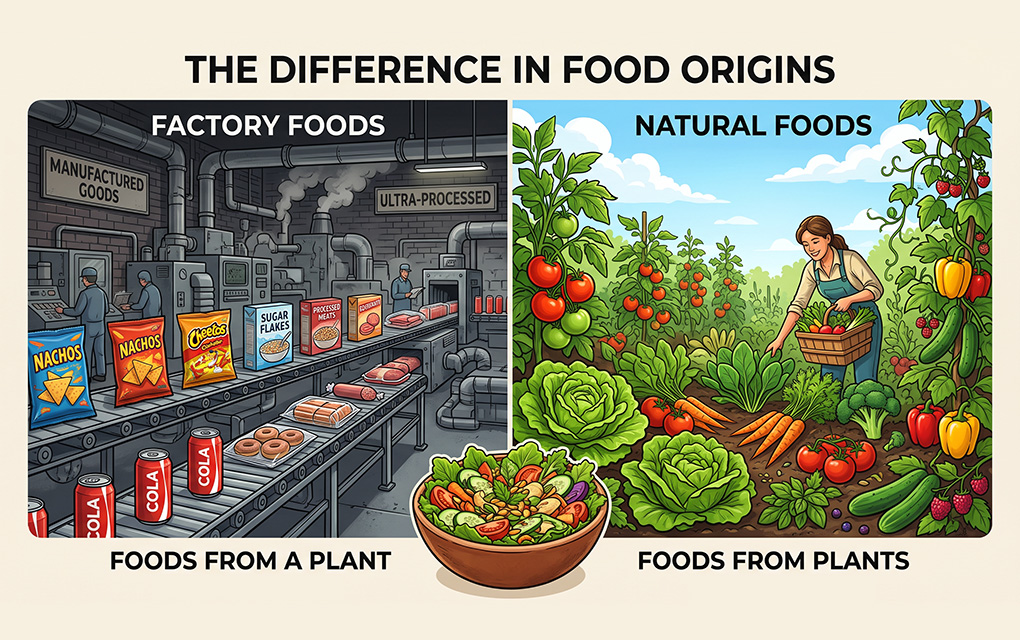

For years, nutrition advice has focused on balancing calories, carbohydrates, fats, and proteins in our meals. But emerging research suggests another important factor may influence health: the degree to which food is processed.
A new study from researchers at Virginia Tech’s Fralin Biomedical Research Institute found that ultra-processed foods can trigger markedly different metabolic and neurological responses compared to minimally processed foods, even when the meals contain nearly identical amounts of calories, carbohydrates, fat, protein, water, and salt.
Researchers designed two meals that were nutritionally matched within 1% of one another. One meal consisted primarily of ultra-processed foods, including peanut butter and jelly sandwich components, deli turkey, veggie chips, cereal, instant mashed potatoes, and a cookie. The minimally processed meal included foods such as banana, dried cranberries, cheese, and egg.
Despite their nearly identical nutritional profiles, participants’ bodies responded very differently after eating them.
The ultra-processed meal produced:
- Higher insulin release
- Slightly elevated blood sugar for a longer period
- Greater energy expenditure
- Reduced carbohydrate burning for fuel compared with the minimally processed meal
Lead researcher Zach Hutelin noted that the team was surprised when “every single metabolic metric differed” between the two meals.
Beyond nutrients
The findings add to a growing body of evidence suggesting that food processing itself may influence health independently of nutrient content.
Ultra-processed foods now account for more than half of the average American’s daily calorie intake. These products are often formulated to be highly convenient, affordable, and extremely palatable, factors that may encourage overconsumption.
Previous population studies have linked high consumption of ultra-processed foods with increased rates of obesity, type 2 diabetes, cardiovascular disease, and poorer mental health outcomes.
What has remained unclear is exactly why these associations exist. By carefully matching nutrient content between meals, the Virginia Tech researchers attempted to isolate the effects of processing itself.
The brain response
The study also explored how food processing influences brain activity.
Participants underwent functional MRI scans while viewing images of both minimally processed and ultra-processed foods. Researchers found differences in activity within the ventral striatum and nucleus accumbens, regions associated with reward, motivation, and learning. These differences were linked to variations in how participants metabolised carbohydrates after consuming the meals.
Interestingly, participants did not report a willingness to pay more for either type of food, suggesting the altered brain responses were occurring beneath conscious preference
Different reactions
For advocates of whole food nutrition, these findings reinforce a simple but powerful idea: food is more than a collection of nutrients.
Two meals can look nearly identical on a nutrition label yet produce very different responses inside the body. While more research is needed to identify which aspects of processing drive these effects, the study suggests that choosing foods closer to their natural state may support healthier metabolic function and influence how the brain responds to food.
As researchers continue exploring the role of additives, processing techniques, and food structure, consumers may benefit from focusing not only on nutritional numbers but also on the quality and processing level of the foods they eat.
Sources: Hutelin, Z., et al. (2026). Metabolic and neural responses to ultra-processed foods: a randomised, controlled, crossover study. Nature Metabolism. DOI: 10.1038/s42255-026-01619-4. Reported by News-Medical.net based on information from Virginia Tech.