

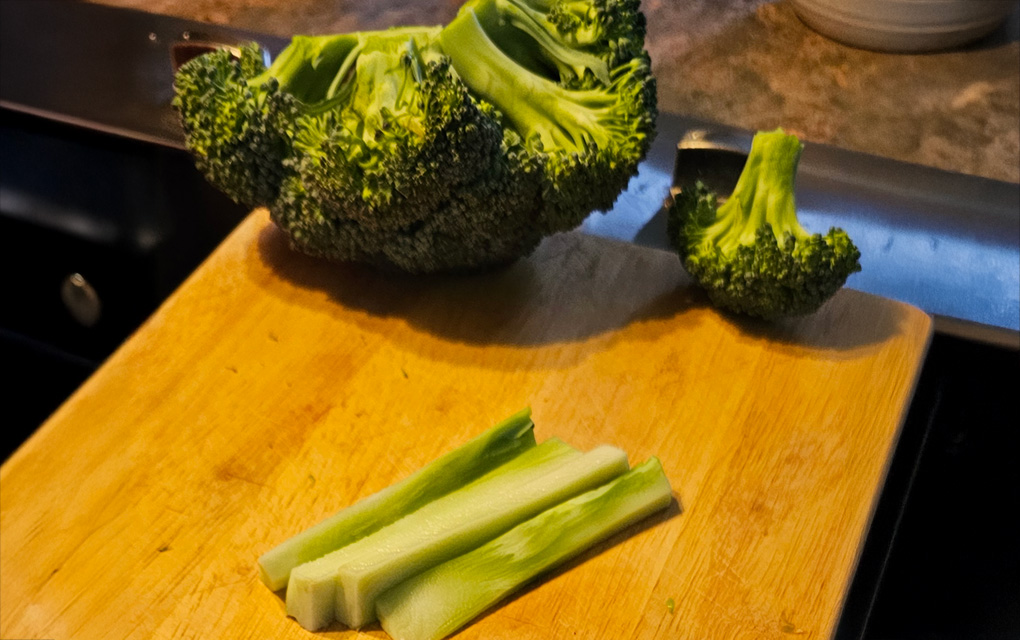

When most people think of broccoli, they picture the bright green florets perched at the top of the stalk. These florets are celebrated for their taste and nutritional value. Still, the truth is that the majority of the broccoli you purchase—the thick stalk beneath—is just as edible, nutritious, and versatile. In fact, broccoli stems account for about 60% of the vegetable’s weight. Throwing them away means discarding more than half of what you’ve paid for, along with valuable nutrients and environmental resources.
Globally, food waste is a staggering problem. Roughly one-third of all food produced is never eaten, and in New Zealand alone, households waste 130,000 tonnes of food every year, with 60% of that still edible. Broccoli stalks are a prime example of this hidden waste. Over 2,500 tonnes of broccoli stems and leaves are discarded annually in New Zealand—enough to feed thousands of people for a year.
🌱 Kitchen Tip:
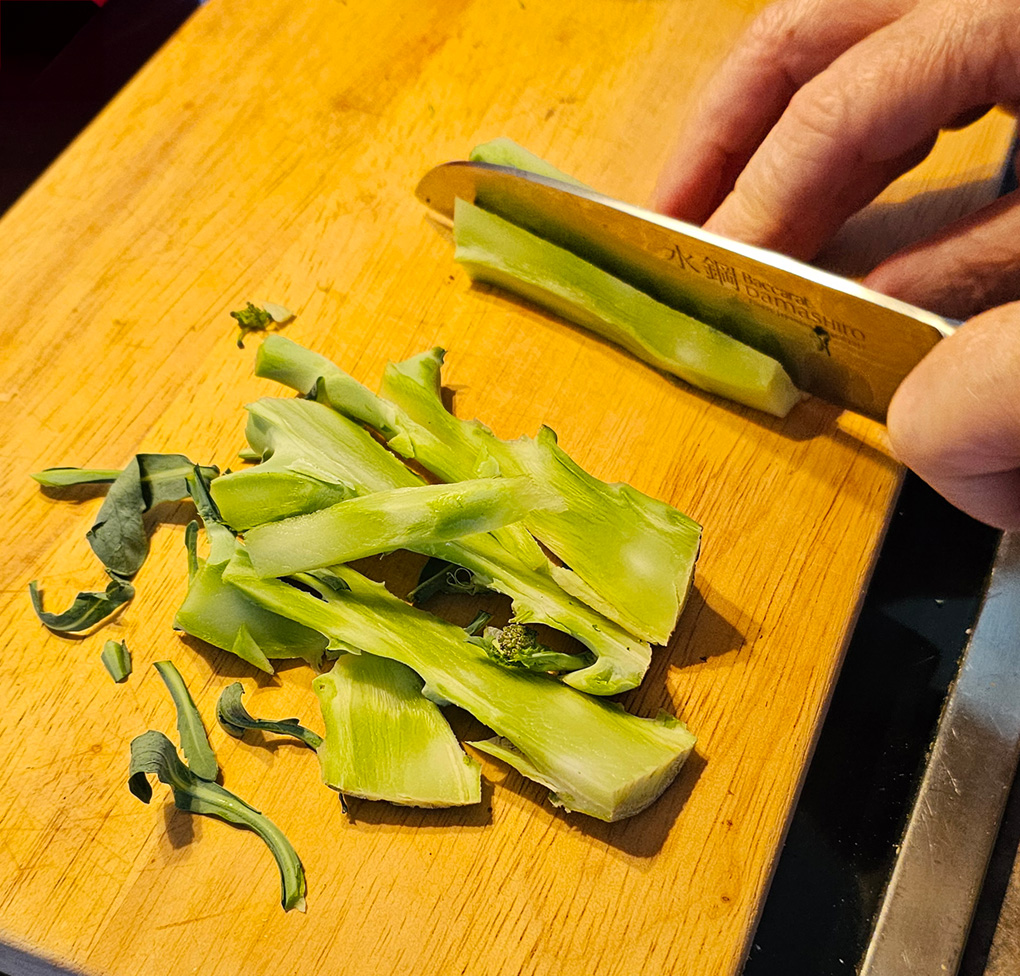
When preparing broccoli florets, don’t toss the stems! Peel and slice them into strips, then store in a sealed container in the freezer. Keep adding to your stash over time, and when you’re ready, dip into your stockpile for delicious creations like hearty stews, nourishing soups, or even crispy air-fried broccoli stem fries.
Nutritional Value Hidden in the Stalk
Contrary to the common assumption that stems are inferior, broccoli stalks are nutritional powerhouses. They contain comparable levels of calcium, magnesium, potassium, and B vitamins to the florets. A single medium stalk can provide 94% of your daily vitamin K, over half your daily vitamin C, and significant amounts of folate, iron, and fibre.
The fibre content is particularly important. Stems are rich in insoluble fibre, which supports digestion, stabilises blood sugar, and helps you feel full longer. They also contain unique plant compounds such as glucoerucin, found in much higher concentrations in stems than florets, and linked to anti-cancer properties. In short, the stalk is not a nutritional afterthought—it’s a treasure hiding in plain sight.
The Environmental Cost of Waste
Discarding broccoli stems isn’t just a personal loss; it’s an environmental one. Food waste contributes 8–10% of global greenhouse gas emissions, nearly five times those of the aviation industry. When food decomposes in landfills, it produces methane, a greenhouse gas far more potent than carbon dioxide.
In New Zealand, food waste accounts for 4% of the country’s total greenhouse gas emissions. Every broccoli stem thrown away represents wasted irrigation water, fertiliser, transport emissions, and landfill space. By eating the stalks, households can make a small but meaningful contribution to reducing these impacts.
How to Cook Broccoli Stems
The main barrier to eating stems is texture. The outer layer can be fibrous, but once peeled, the inner core is tender, mild, and slightly sweet. Here are some easy ways to use them:
- Stir-fry: Slice into matchsticks and sauté in a small amount of water or stock with garlic and soy sauce.
- Roast: Toss in with your other roast vegetables, then roast until caramelised.
- Soup: Blend peeled stalks into creamy soups or stews.
- Raw: Shred into slaws or salads for a crisp crunch.
- Air-fry: Cut into “fries” and crisp them up for a healthy snack.
By treating stalks as a versatile ingredient, you not only reduce waste but also expand your culinary options.
A Simple Change with Big Impact
The conversation about broccoli stems is part of a larger rethink about food waste. Studies show that over half of all discarded food is actually edible. Carrot tops, cauliflower stems, celery leaves—all are nutritious parts we’ve been conditioned to ignore. Adopting a root-to-stem approach in the kitchen saves money, reduces waste, and adds variety to meals.
For broccoli specifically, the change is straightforward. Instead of tossing the stalk, peel it, slice it, and cook it alongside the florets. By doing so, you’re making the most of your purchase, protecting the environment, and nourishing yourself with a part of the vegetable that’s every bit as valuable as the florets.
Broccoli stems are not scraps—they’re sustenance. With 60% of your supermarket broccoli purchase tied up in the stalk, discarding it is both a financial and environmental mistake. Eating the stems means less waste, more nutrition, and a step toward tackling the global food waste crisis.
The next time you prepare broccoli, pause before you toss the stalk. That simple choice could save money, reduce emissions, and help reshape our relationship with food.
Sources: Love Food Hate Waste NZ and Foodfacts.org – Should you eat broccoli stalks?