


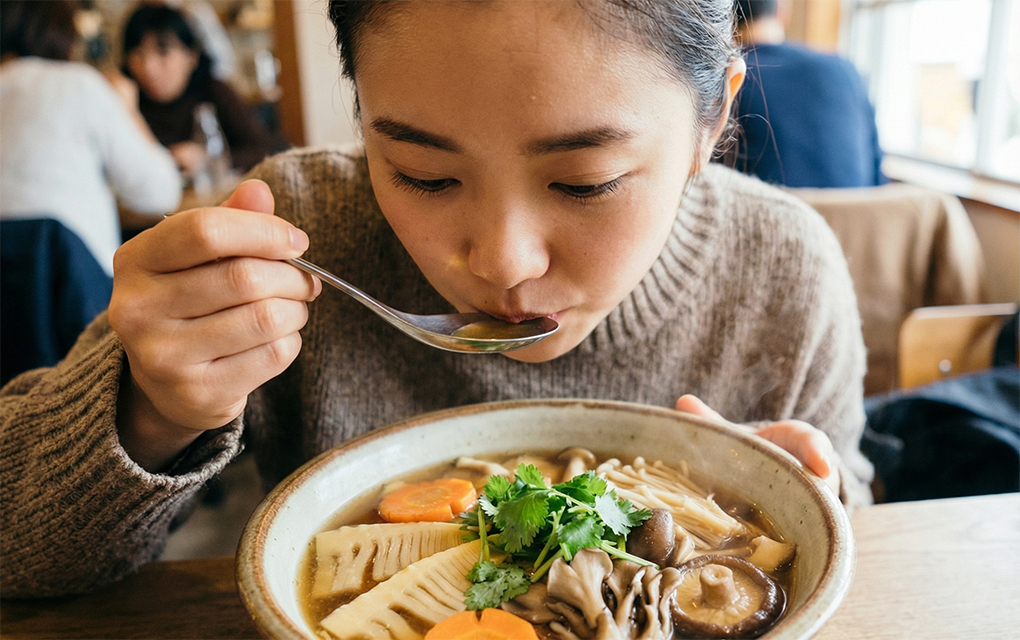

Bamboo has long been celebrated for its strength, versatility and astonishing growth rate — up to 90 centimetres in a single day — but a new academic review suggests its real power may lie on our plates.
The world’s first comprehensive analysis of bamboo consumption, led by researchers at Anglia Ruskin University in England, has uncovered an unexpectedly broad suite of health benefits.
From helping regulate blood sugar to fighting inflammation, supporting gut health and delivering potent antioxidant activity, bamboo shoots appear to offer far more than their humble reputation suggests.
A global asset
Already a staple across many Asian cuisines, bamboo could soon be recognised as a global nutritional asset, especially as interest grows in sustainable, plant-forward eating.
Nutritionally, bamboo shoots tick an impressive number of boxes: they’re protein‑rich, low in fat, contain moderate fibre, and deliver essential amino acids, selenium, potassium and a spread of vitamins including thiamine, niacin, A, B6 and E.
The review analysed both human trials and laboratory studies, revealing improvements in glycaemic control — a key factor in managing diabetes — as well as healthier lipid profiles linked to reduced cardiovascular risk.
Bamboo’s fibre content, including cellulose, hemicellulose and lignin, has been shown to support bowel function, while human studies also reported increased antioxidant and anti-inflammatory activity and improved cell viability.
Laboratory research adds even more intrigue: bamboo extracts demonstrated probiotic effects, encouraging beneficial gut bacteria, and even inhibited the formation of harmful compounds such as furan and acrylamide, which can develop when foods are fried or roasted.
This raises the possibility that bamboo could play a role not only as a nutritious food in its own right but also as a natural additive to make other foods safer.
It comes with caveats
Yet, as with many wild or traditional foods, bamboo comes with caveats. Some species contain cyanogenic glycosides, compounds that can release cyanide if eaten raw, and one study highlighted potential interference with thyroid hormone production — a risk factor for goitre.
Fortunately, both concerns are easily mitigated through proper preparation, particularly pre-boiling, a step already standard in many culinary traditions.
For Professor Lee Smith, senior author of the review, bamboo’s potential is clear but still underexplored. While the findings point to a promising “superfood”, only four human studies met the review’s criteria, underscoring the need for more rigorous research before definitive dietary recommendations can be made. Still, the convergence of sustainability, nutrition and global food security makes bamboo an ingredient worth watching.
As climate pressures intensify, fast-growing, low-input crops like bamboo could become increasingly valuable — not just for construction or carbon sequestration, but as part of a resilient, health-supportive food system.
For the WFPB community, bamboo may soon shift from an occasional stir‑fry addition to a symbol of what the future of food could look like: nutrient‑dense, environmentally sound and rooted in long‑standing culinary wisdom. If the science continues to build, bamboo might just earn its place alongside the world’s most celebrated plant‑based powerhouses.